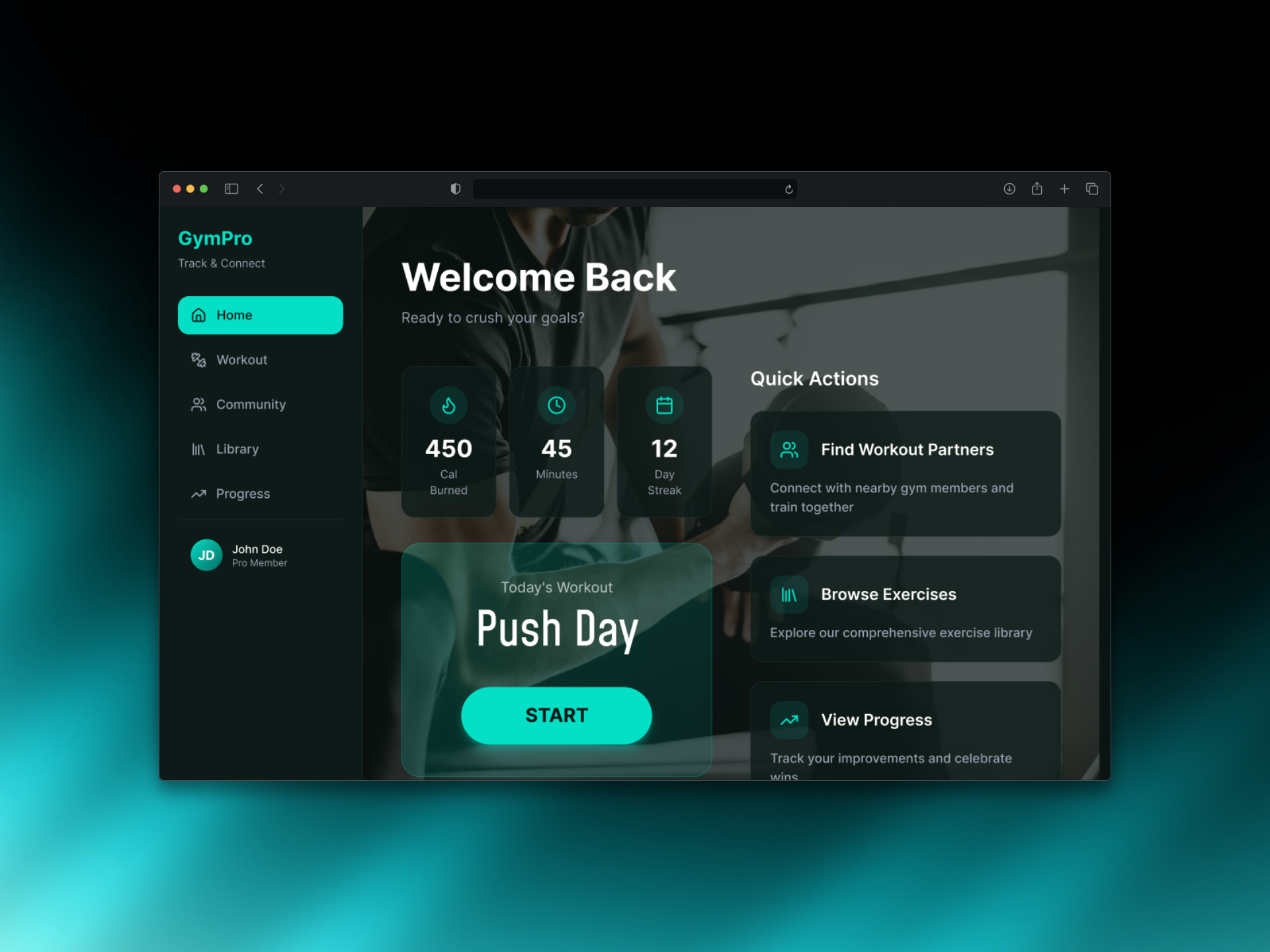
Model Agency Web Design
An editorial-grade website for a contemporary model agency — equal parts magazine and showroom.
[ N° 02 // Visuals ]
Inside the work.
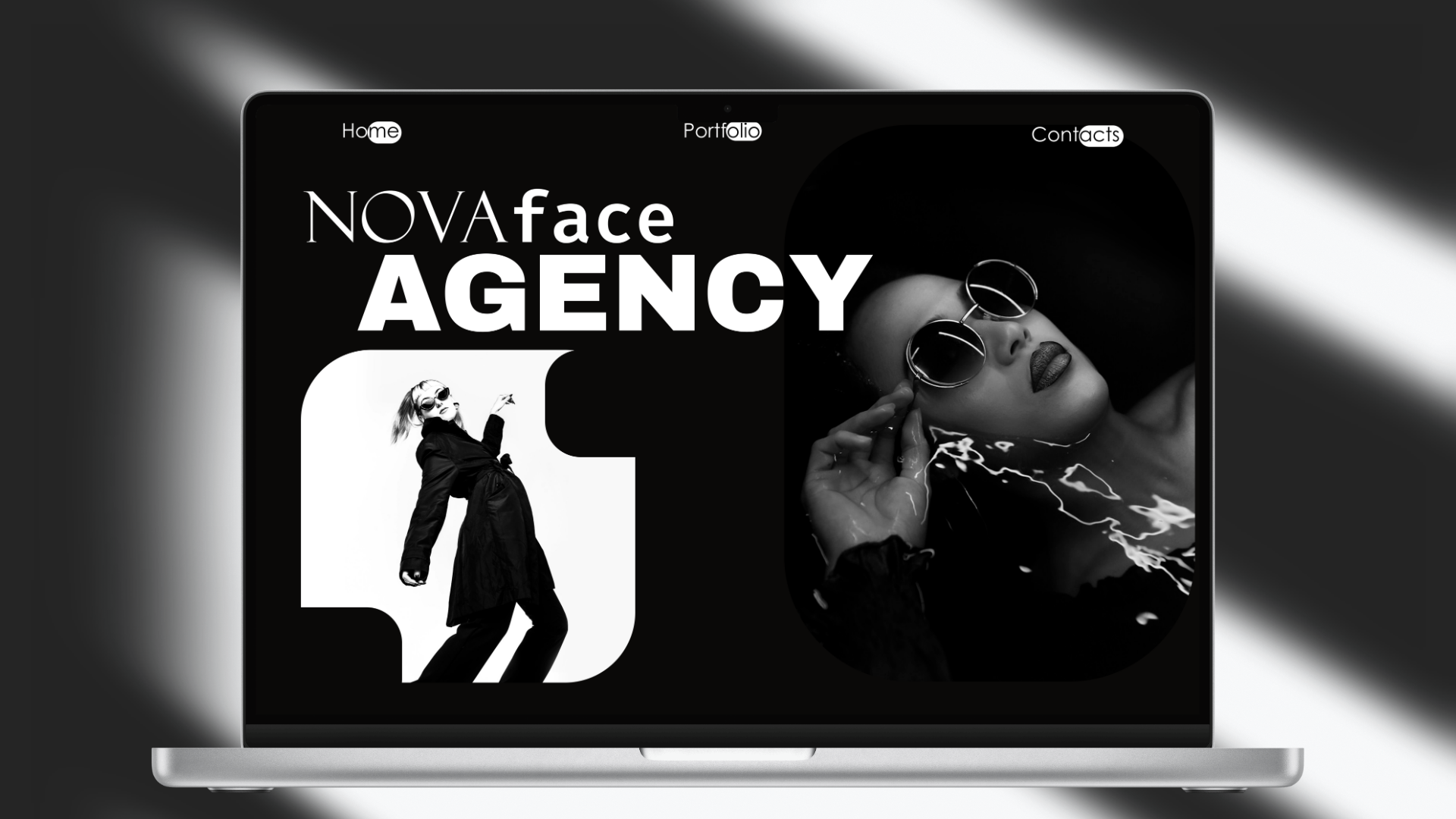
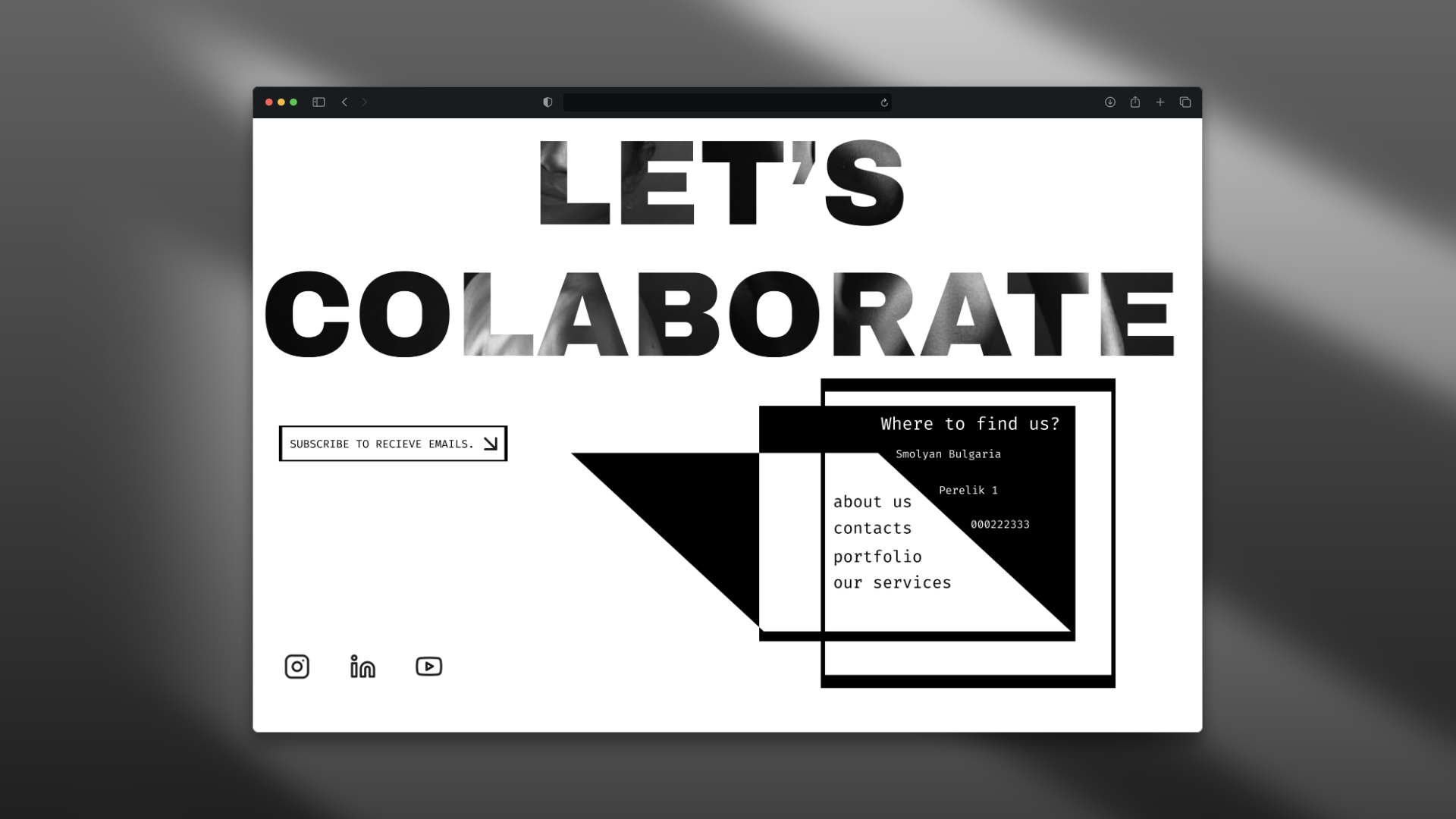
Drag, swipe or use the arrows to scrub through the project's key frames.
01 / 00
[ N° 03 // The Story ]
From brief
to outcome.
Overview
The brief was to create a digital experience that respects the photography first. Big silent type, asymmetric layouts, and a portfolio grid that lets each face speak.
Problem
The agency's existing site treated models like database rows — uniform thumbnails, identical crops, zero hierarchy. Bookers complained that scouting felt like scrolling Instagram in 2014, and casting directors bounced before opening a single profile.
Challenge
Showcasing dozens of models without turning the site into a thumbnail wall. We solved it with a flexible card system that mixes formats and aspect ratios.
Outcome
A confident, fashion-first site with a portfolio CMS structure ready for production.
[ N° 04 // Process ]
Problem
to pixel.
Every project moves through the same spine — research, wireframes, mockups, ship — but the weight on each step changes with the brief.
- 01 · Discover01 / 04
Editorial benchmarking
Studied print magazines (i-D, AnOther, 032c) and 12 agency sites. Mapped what made an editorial layout breathe — type scale contrast, intentional negative space, and image rhythm — then translated those rules into a digital grid.
- 02 · Wireframe02 / 04
Asymmetric grid
Drew 20+ low-fi compositions exploring how different aspect ratios and crops could coexist on the same scroll. Settled on a 12-col grid where each card declares its own span, height and offset — the page reads like a magazine spread, not a feed.
- 03 · Mockup03 / 04
Hi-fi direction
Designed the home, roster and individual model templates. Used a single accent and a serif display face to keep attention on the photography. Defined hover, transition and cursor states so the site stays cinematic in motion.
- 04 · Handoff04 / 04
CMS structure
Modeled the content schema (model, look, campaign, polaroid) and documented every layout variant so the dev team and bookers could publish new faces without touching design.